
Marble has shaped human design, art, and architecture for thousands of years. Its timeless beauty, natural strength, and unique character continue to make it one of the most desired natural stones in the world. In this comprehensive guide, we explore how marble is formed, its role in ancient civilizations, and how it evolved into a …
Marble has shaped human design, art, and architecture for thousands of years. Its timeless beauty, natural strength, and unique character continue to make it one of the most desired natural stones in the world.
In this comprehensive guide, we explore how marble is formed, its role in ancient civilizations, and how it evolved into a modern architectural essential.
If you are a designer, architect, builder, or natural stone enthusiast, this article will walk you through the remarkable journey of marble—from the depths of the earth to today’s most iconic spaces.
What Is Marble? How Marble Is Formed
Marble is a metamorphic rock that forms when limestone is exposed to extreme heat and pressure within the Earth’s crust. During this metamorphic process:
- The stone’s structure becomes crystalline
- Veining patterns develop as minerals reorganize
- Colors vary depending on the geological composition
This natural transformation creates the luxurious textures and patterns that make marble one of the most admired materials across history.
Key characteristics of marble include:
- Distinct veining
- High polishability
- Durability and longevity
- Unique pattern variations (every slab is one-of-a-kind)
For designers and architects, marble is not merely a stone—it is a natural artwork shaped over millions of years.
Marble in Ancient Civilizations
Ancient Greece: The Birthplace of Marble Art
Ancient Greece transformed marble into a symbol of perfection and harmony. Greek architects and sculptors:
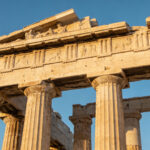
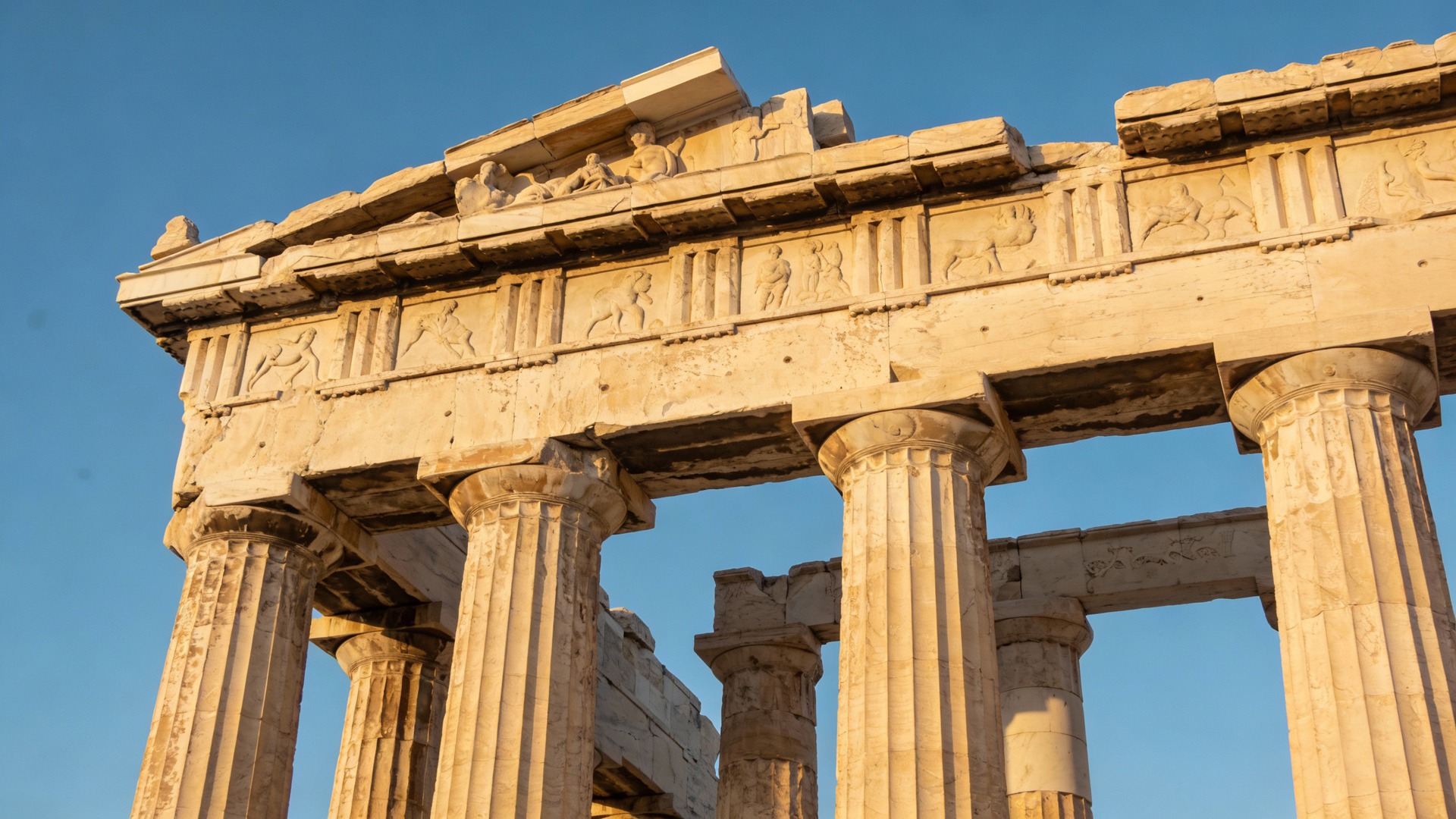
- Built monumental structures like the Parthenon
- Created world-renowned sculptures such as Venus de Milo
- Used white marble to reflect purity, light, and divine aesthetics
Marble became synonymous with sophistication and cultural prestige.
Ancient Rome: Marble as a Status Symbol
Romans expanded marble usage on an unprecedented scale. For the elite, marble represented:
- Power
- Wealth
- Elegance
Romans used marble in:
- Palaces
- Public baths
- Amphitheaters
- Temples
- Interior decorative elements
Their engineering techniques helped spread marble throughout Europe, laying the foundation for its global architectural relevance.
The Middle Ages & Renaissance: A Golden Era for Marble
After the fall of Rome, marble continued its symbolic journey.
But during the Renaissance, its significance reached new heights.
Artists like Michelangelo, who carved “David” from Carrara marble, showcased marble’s ability to reflect emotion, detail, and lifelike expression.
Architects used marble to build:
- Cathedrals
- Palaces
- Squares
- Sculptural façades
Marble became the material of genius, creativity, and technical mastery.
The Evolution of Marble in Modern Architecture
Today, marble remains one of the most desired materials in both residential and commercial design.
Thanks to advancements in extraction and fabrication technology, marble is now available in:
- Large-format tiles
- Slabs
- Bookmatched panels
- Honed, polished, brushed, and tumbled finishes
Its versatility makes it suitable for countless design applications.
Modern Uses of Marble
Residential Design
- Kitchen countertops
- Backsplashes
- Bathroom walls and floors
- Fireplace surrounds
- Entryways
Commercial Applications
- Hotel lobbies
- Restaurants
- Luxury retail stores
- Office reception areas
- Spa and wellness centers
Outdoor Uses
- Facades
- Garden pathways
- Pool decks (especially marble pavers)
- Exterior wall cladding
Marble elevates any environment, adding a sense of timeless sophistication.
Why Marble Remains a Timeless Choice
Marble has stood the test of time for several key reasons:
1. Natural Beauty
No engineered material can replicate marble’s authentic veining and color depth.
2. Durability
With proper sealing and maintenance, marble can last for centuries.
3. Versatility
Its wide range of colors and finishes fits both traditional and modern design styles.
4. Long-Term Value
Marble increases the value of both residential and commercial properties.
A Journey from Earth’s Transformation to Human Creativity
From ancient temples to modern architectural masterpieces, marble has remained one of the world’s most influential natural stones. Its geological origins, cultural significance, and contemporary applications make it a material that connects history, art, and innovation.
At Hurok Marble, we continue this legacy by offering a curated selection of high-quality marble varieties for architects, designers, builders, and homeowners worldwide.